How to Keep Glaze From Sticking to Your Kiln Shelves
Here's the thing: your kiln shelves are expensive. If you let raw glaze eat into them, you're basically throwing cash into the fire. Kiln wash is a simple refractory coating—think of it like sunscreen for your shelves. You brush it on, let it dry, and it creates a protective barrier that stops glaze drips from bonding permanently. Skip this step, and you'll spend your afternoon chiseling glass off brick. No one wants that. Apply it evenly, re-coat when it gets thin, and your shelves will thank you. This isn't optional. It's firing safety 101.
Stilts and Cookies Save Your Bacon
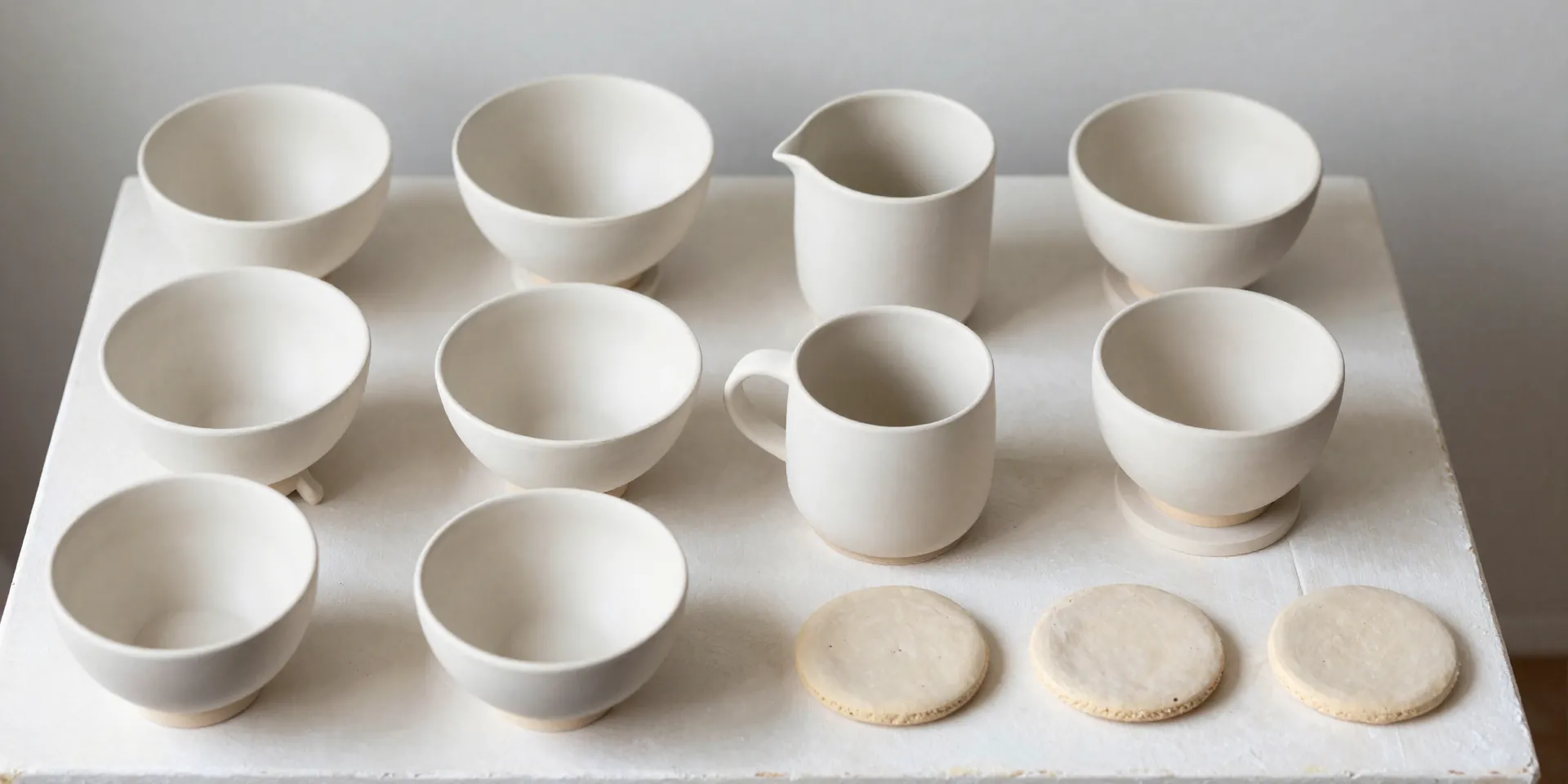
So you've got a drippy celadon or a runny ash glaze. Beautiful. But reckless. To prevent glaze drips from hitting the shelf, prop your ware up on stilts or set it on little clay "cookies." These lift your piece just enough that any rogue glaze drips harmlessly onto a disposable disc instead of your precious shelf. It's like putting a coaster under a leaky cup. Cheap, effective, and it keeps your firing setup stress-free. Stack smart, fire happy.
Check Your Feet and Wax
Glaze on kiln shelves often starts at the bottom. Literally. If you forget to wax the foot of your pot, glaze will creep down during the fire and glue your piece to the shelf. Wipe your feet clean. Apply wax resist. Double-check. It takes thirty seconds and saves you a hammer and a lot of heartbreak. Actually, triple-check if you're firing something you actually like. Firing safety isn't just about the kiln; it's about not destroying your own work.
Don't Overload or Underfire
Cramming too much work into one firing is asking for trouble. Pieces need space. Glaze needs room to move. If a bowl is touching a plate and both are glazed, they'll fuse together and drop a molten blob onto the shelf below. Give everything a buffer. Follow your cone and schedule. A rushed or overloaded firing is where most glaze disasters are born. Slow down. Fire right. Prevent glaze drips by simply not being sloppy.
When Disaster Strikes, Grind It Out
Okay, you messed up. It happens. A drip got through and now you've got a glassy tumor on your shelf. Don't panic. Grab a grinder, a chisel, or some coarse sandpaper and go to town. Wear a mask—silica dust is no joke. Then, once it's clean, reapply that kiln wash and get back in the game. Every potter has scars on their shelves. It's a badge of honor. Just don't make it a habit.